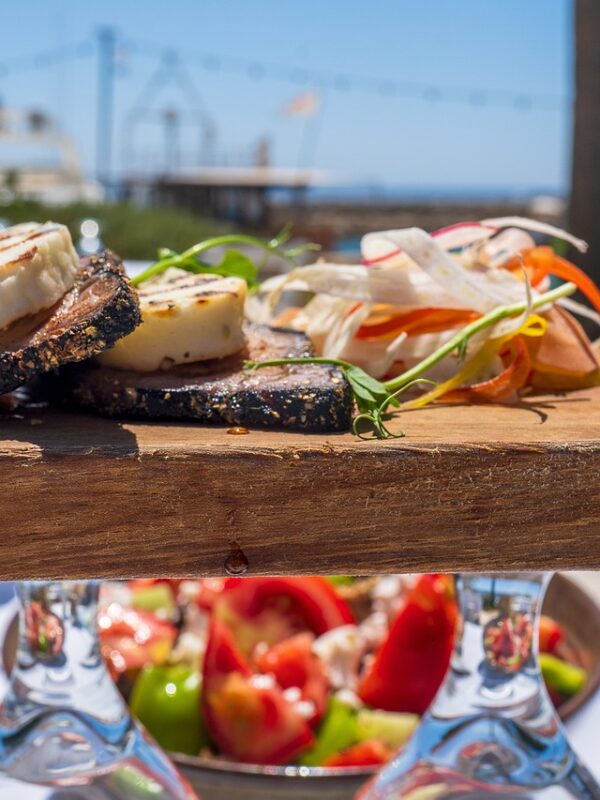
Greek cuisine is celebrated around the world for its vibrant flavors, fresh ingredients, and rich cultural history. The culinary tradition of Greece has been shaped by centuries of influence, from the ancient Greek diet to the Byzantine and Ottoman periods, and it continues to be a defining part of Greek identity. Today, Greek food is not only cherished by locals but has also gained global recognition for its health benefits, variety, and mouthwatering taste.
Key Elements of Greek Cuisine
Greek cuisine is based on the Mediterranean diet, which emphasizes fresh fruits and vegetables, legumes, whole grains, olive oil, and a variety of herbs and spices. Here are the key elements of Greek Cuisine.
- The Importance of Olive Oil
One of the key distinguishing features of Greek food is the use of extra virgin olive oil. Greek olive oil is considered some of the best in the world, known for its rich, fruity flavor. Olive oil is used in cooking, as a dressing for salads, and even as a dip for bread. It plays a central role in many classic dishes, such as Greek salad and moussaka.
- Fresh Ingredients
Greek culinary traditions are rooted in the use of fresh, locally sourced ingredients. From the fertile lands of Crete to the olive groves of the Peloponnese and the extensive plains of Macedonia and Thrace, Greece’s diverse landscape provides a wide array of fresh produce, seafood, and meats. The climate plays a vital role in the agriculture of the country, offering an abundance of tomatoes, cucumbers, peppers, olives, and citrus fruits. Fresh fish and seafood are essential to Greek cuisine, especially in coastal areas.
- The Role of Herbs and Spices
Greek cuisine is famous for its use of aromatic herbs and spices. Oregano, thyme, rosemary, and basil are common in many dishes, infusing them with distinctive flavors. A blend of garlic, onion, and dill is often used to enhance the taste of meats, vegetables, and sauces. Cinnamon and allspice also play an important role in Greek stews, soups, and pastries, adding a unique depth of flavor.
- Iconic Greek Dishes
Souvlaki and Gyros are perhaps the most well-known Greek fast foods, featuring succulent grilled meats served in pita bread with tomatoes, onions, and a yogurt-based sauce known as tzatziki. However, the true essence of Greek cuisine is found in its diverse range of traditional dishes, many of which have been passed down through generations.
Moussaka, a comforting casserole made with layers of eggplant, minced meat, and béchamel sauce, is a beloved dish, often served at family gatherings. Another classic is dolmades, grape leaves stuffed with rice, herbs, and sometimes meat, offering a refreshing and fragrant bite.
For seafood lovers, octopus and grilled fish are staples in coastal areas, often prepared simply with lemon and olive oil to let the natural flavors shine.
- Sweet Delights: Greek Pastries and Desserts
Greek desserts are known for their sweetness and richness. Baklava, a pastry made with layers of phyllo dough, honey, and nuts, is a favorite worldwide. Loukoumades, small honey-soaked doughnuts, are another popular treat, often enjoyed during festivals and celebrations.
Galaktoboureko, a custard-filled pastry wrapped in phyllo dough, is another dessert that showcases the country’s love for sweet, flaky pastries. Kataifi, made with shredded phyllo dough and filled with a sweet nut mixture, is also a traditional favorite.
- The Mediterranean Diet and Health Benefits
The Greek diet is often regarded as one of the healthiest in the world, largely due to the emphasis on whole, natural foods. The Mediterranean diet, which includes Greek culinary principles, is linked to numerous health benefits, such as lower risks of heart disease, cancer, and obesity. The diet’s reliance on olive oil, vegetables, and lean proteins offers a balanced and nutrient-rich eating plan that promotes longevity.
- Greek Food and Culture: A Family Affair
In Greek culture, food is more than just sustenance; it is a way to bring people together. Meals are often a communal affair, with families gathering around the table to share food, stories, and laughter. Greek meze—small, shared dishes—play an essential role in this social tradition. Whether it’s a platter of olives, spanakopita, or small servings of tzatziki and feta cheese, the meze style encourages sharing and conversation.
Celebrations and holidays are another occasion for enjoying traditional Greek dishes. For example, during Easter, lamb is often roasted, and a special bread called tsoureki is prepared. On Christmas, families often enjoy a festive meal with a variety of meats, sweets, and melomakarona (honey-soaked cookies).
- Sustainability in Greek Cooking
Greek cuisine is also becoming known for its sustainability. Many Greek chefs are now focusing on local, seasonal ingredients, working with farmers and fishermen to source the best produce. As the world increasingly values eco-friendly practices, Greek culinary tradition remains rooted in a respect for the environment and the natural resources available.
Greek culinary tradition is a celebration of rich flavors, fresh ingredients, and a deep connection to the land. Whether you’re enjoying a simple Greek salad with feta cheese or savoring a hearty dish like moussaka, Greek food offers an authentic taste of the country’s history and culture. From the health benefits of the Mediterranean diet to the social aspect of sharing meals with loved ones, Greek cuisine continues to inspire and delight people worldwide.